It’s common knowledge that stress can impact hair health. But what’s actually happening? Why does a breakup, recovering from illness, or a few tough months at work leave you with clumps of hair in the shower? The answer comes down to cortisol, your body’s main stress hormone, and the way it changes your hair cycle.
What Cortisol Does To Your Hair
Cortisol is your “fight or flight” hormone. In short bursts, it helps your body respond to stress. But when stress is ongoing, cortisol stays high, and your body starts to make trade-offs. Hair is metabolically expensive and not essential for survival, so when cortisol is elevated, the body diverts resources away from hair growth.
Here’s how that shows up in your scalp:
- Shorter growth phases: Hair normally spends 85–90% of its life in the growth (anagen) phase. Cortisol speeds up the shift into the resting and shedding phases, so more hairs fall out at once.1
- Hormonal disruption: Cortisol lowers estrogen and progesterone (hormones that normally protect the hair) and increases signals that favor androgens, which can thin and miniaturize follicles.2
- Inflammation and oxidative stress: Chronic stress makes the follicle environment more inflammatory and more prone to oxidative damage, which can weaken stem cells that grow new hairs.3
What Stress-Related Hair Loss Looks Like
If your hair loss is tied to stress, it usually looks like diffuse shedding—lots of strands all over your brush, pillow, or shower drain. It often begins a few months after a stressful event, because it takes time for the follicle cycle to shift.
A common complaint is, “My hair was fine, and then all of a sudden, it started coming out in clumps.” That’s a classic stress-related pattern.
How To Support Hair Health During Stress
You can’t always eliminate stress, but you can support your body and your hair while you recover. Here’s how:
- Calm cortisol with adaptogens: Ashwagandha is one of the best-studied herbs for stress. It has been shown in clinical studies to lower morning cortisol and improve resilience. For hair, that means follicles spend more time in the growth phase and less time shedding.4
- Replenish stress-depleted nutrients: Stress uses up B vitamins like B6, B12, and folate. These nutrients are needed for red blood cell formation and keratin production—the building blocks of hair.5
- Protect follicles with antioxidants: Astaxanthin (a powerful red carotenoid) and selenium work together to neutralize oxidative stress at the follicle.6
- Strengthen strands from within: Collagen peptides and keratin provide the raw materials for thicker, stronger hair. Even while you’re waiting for new growth, these proteins can help reduce breakage and improve volume.7
Will Stress Hair Loss Grow Back?
Stress-related shedding is real, and it’s not all in your head. Cortisol changes the biology of your hair, shifting follicles out of growth, cutting off nutrients, and creating inflammation. The good news: By calming cortisol, replenishing key nutrients, protecting follicles, and strengthening new strands, you can help your hair recover.
References:
- Thom E. Journal of Drugs in Dermatology. 2016;15(8):1001-1004.
- Trueb RM. Exp Gerontol. 2002;37(8-9):981-990.
- Du F et al. J Cell Mol Med. 2024;28(12):e18486.
- Lopresti AL et al. Medicine (Baltimore). 2019;98(37):e17186.
- Almohanna HM et al. Dermatol Ther (Heidelb). 2019;9(1):51-70.
- Davinelli S et al. Nutrients. 2018;10(4):522.
- Oesser S. Nutrafoods. 2020;1:134-138.
DISCLAIMER:
These statements have not been approved by the Food and Drug Administration. These products are not intended to diagnose, treat, cure, or prevent disease.

























































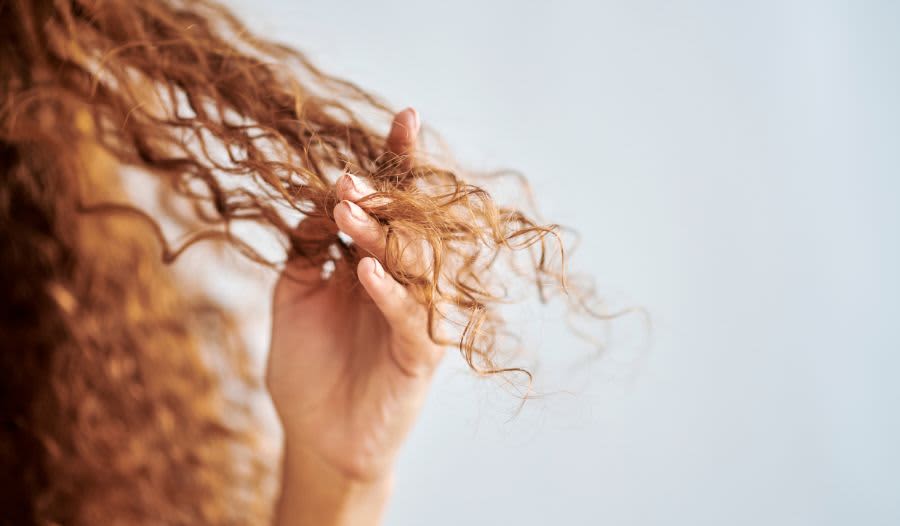
 Table of Contents